
The Science behind the Happier Now Game

More Happiness-Boosting Tips: The Simplest Ways to Boost Joy

Card image cap
Do a Duchenne Smile :D

  • Step 1. Find a pencil or a pen.
  • Step 2. Grip the pencil horizontally between your molar teeth to make a smiling face.
  • Step 3. Hold the pencil between your teeth for 60 seconds.
  • Step 4. Put the pencil down and stop the clock.
  • Even if you don't feel it, the muscles in your face have already sent signals to your brain that something is making you happy! Do you notice any mood improvement?

Source: Brooks, Harvard University

The Happier Now Project by Jonathan Sakunkoo - Please fill out this survey! Thanks so much!
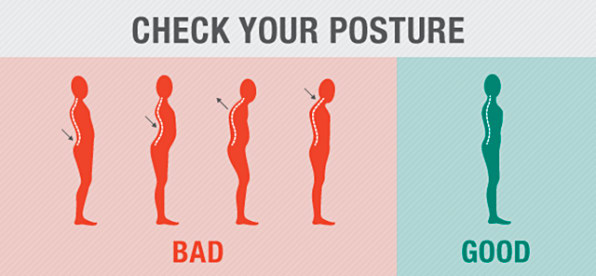
Sit and stand straight
Strighten your back!

  • Slumping with a shrimp back drains your energy. Sitting up straight has been shown to trigger positive memories.
  • Stand up in an expansive posture, spreading out your limbs and opening up your body. It reduces the stress hormone - cortisol - and makes you feel more powerful and in-control of your life.
  • Skipping makes you feel happier. Maybe try skipping a little during breaks today!
  • Source: Harvard University, Columbia University, Fast Company

Joy is within you. You are love, light, joy, peace, and infinite bliss. You are complete and whole.

Listen to Happy Music

Many studies have shown that listening to happy music and songs boost creativity and enhance mood. Try listening to music in major chords such as Spring by Vivaldi or uplifting songs such as Happy. ^_^ The happy music invokes a distinct pattern of activity in the brain's emotion centers.

Source: Georgia Tech, BBC Science Focus, and Plos One Journal
Happiness Ray Source: Photo by Bryson Chen
Shoot Happiness Rays

Every now and then, pretend you're shooting happiness rays to people (including those you like and don't really like), wishing them (and yourself) happiness. By sending goodwill to others and yourself, you practice compassion and kindness. The practice will decrease fight-or-flight activities in the amygdala in your brain, lower your stress, increase your positive emotions and life satisfaction, and improve your relationships.

Source: Stanford University, UC Berkeley, Google, Tan (2016)